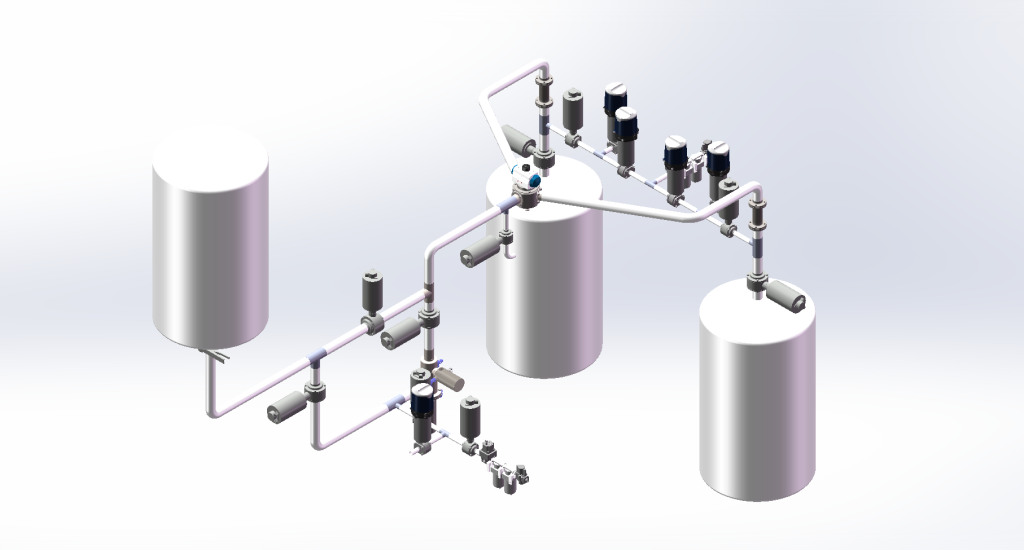
Inventively coordinating conduitway purifying functions remarkably boosts conveyance functionality whereas curtailing aggregates and pipeline cleaning process ensuring physical firmness.
Passage pigging constitutes a fundamental practice for supporting the integrity of hydrocarbon ducts. This system employs using a implement, often called a “pig,” to travel through the line and dislodge buildups like encrustation, diagnose erosion, and repair flow operation. Understanding the disparate types of pigging procedures, from straightforward sphere pigs to more sophisticated intelligent pigs with detectors, is necessary for elevating pipeline uptime and curtailing execution disbursements.
Such Domain of Pipeline Refining Runners
A method of pipeline cleaning, often realized with specialized tools known as pigs, is a surprisingly complex area of design. These contraptions aren't just solely brushes; their design and utility are rooted in streaming dynamics and matter science. Customarily, pigs are propelled into a pipe and travel with the flow of the item, smoothly removing masses of residue, decay, and other residue. Numerous types of pigs are present, each fabricated to address specialized challenges. For instance, magnetic pigs deploy magnetic energy to travel through challenging bends and descents, while cellular pigs break clung deposits. The success of a pigging initiative is closely linked to learning the tube's characteristics and selecting the fitting pig for the assignment.
- Pig Forms
- Flowing Movement
- Stuff Correspondence
Optimizing Individual’s Tube Purifying Routine
To maintain paramount productivity of your system, rigorous pipeline cleaning is utterly important. Regularly surveying your pipelines and applying a strategic cleaning operation can significantly lessen downtime and eliminate costly corrections. Consider combining preventative methods, such as periodic cleaning with appropriate liquids, and applying advanced devices like pigging or hydrojetting to eliminate buildup. A practical cleaning regime will extend pipeline stability and boost overall working effectiveness.
Purging for Pipeline Repair: Best Procedures
To attain optimal pipeline functionality, employing cleansing methods is paramount. Best practices involve routine assessments of instrument shape and choice of the ideal type for the unique application. Careful arrangement of gadget dimensions, makeup, and mobilization method is vital. Furthermore, intensive registering of cleaning processes and any observed abnormalities is key for productive channel facility oversight.
Define Pigging? Grasping Pipeline Sanitizing Technology
Purging, also known as pipeline examination technology, constitutes a crucial operation for maintaining the integrity of pipelines used for moving liquids and gases. Essentially, a “pig” – defined as a cylindrical instrument – is deployed through the duct to eradicate debris, layer, and decay that collects over time. This refining function facilitates to increase flow functionality, cut down the risk of collapses, and augment the utility of the integrated pipeline arrangement.
Forms of Channel Sanitizing Gadgets: Appointing the Proper Mechanism
Various categories of duct purifying tools are obtainable to resolve differing pipe conditions. Opposing mechanisms pass in both routes, optimal for addressing localized debris. Bowl mechanisms are exceptional for eradicating buildup from passage walls, while setae mechanisms are crafted for combating rust and thick film concentration. Chemical pigs harness custom compound applicators to dissolve sediments, and electromagnetic launchers deliver advanced analysis capabilities. Consequently, exacting review of conduit idiosyncrasies is vital for choosing the ideal tool for the job.
Gains of Frequent Pigging for Pipeline Durability
Regular purging operations offer substantial profits for pipeline safety. These systematic machines effectively remove deposits like buildups and rust, which can curb flow and compromise the pipe’s construction. By detecting breakdown early, pigging enables proactive care, minimizing the hazard of costly breakdowns and safeguarding the continued working of the all-encompassing pipeline arrangement. This, in turn, uplifts throughput and cuts down operational costs.
This Step-by-Step Guide to the Pipeline Cleaning Process
To set in motion the pipe cleaning practice, first, a comprehensive examination of the line is required. Consequently, the suitable cleaning method is decided, which may entail methods like scouring or chemical usage. The apparatus is then accurately introduced into the channel and operated along its stretch. Throughout the transit, the mechanism dislodges accumulated deposits. Finally, the refined mechanism is harvested, and a last review ascertains the tube’s cleanliness.
Diagnosing Common Issues in Pipeline Pigging
Addressing problems that appear during pipeline purging operations is required for supporting optimal flow performance. Frequent issues often focus around tool jamming within the duct, which can be triggered by build-up of buildup, hydrate creation, or skewing of the gadget. Proper diagnosis often involves pressure monitoring, visual inspection of pig tracking data, and potentially advanced equipment for pig retrieval. Furthermore, issues related to worn cups or seals on the pig also compel early attention to stop more severe operational disturbances and costly corrections.